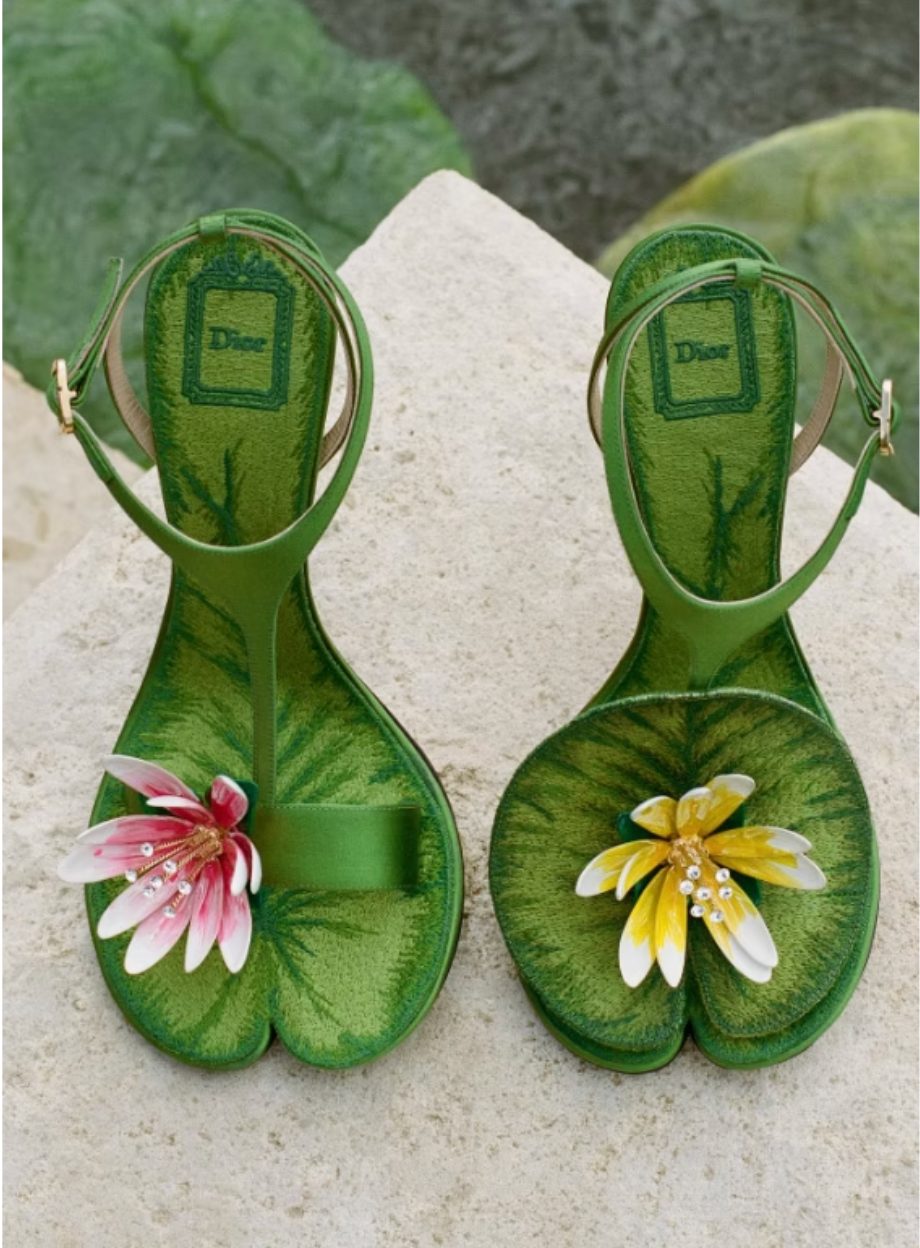
How the Dupe Became the First Choice
The dupe used to be second best. Now, even shoppers who can afford the original are opting out.
By Aliya Hollub
September 2026
The dupe used to be second best. Now, even shoppers who can afford the original are opting out.
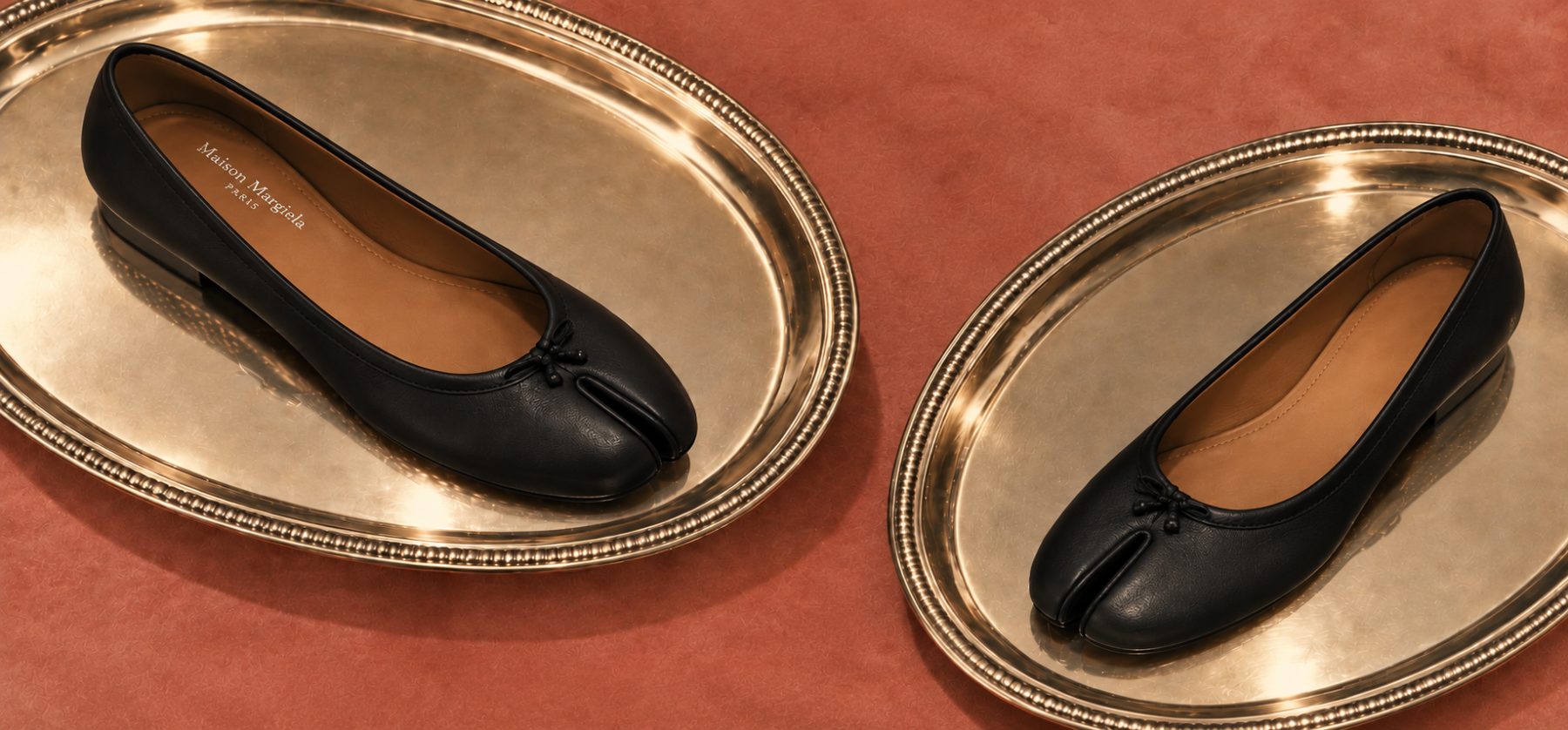
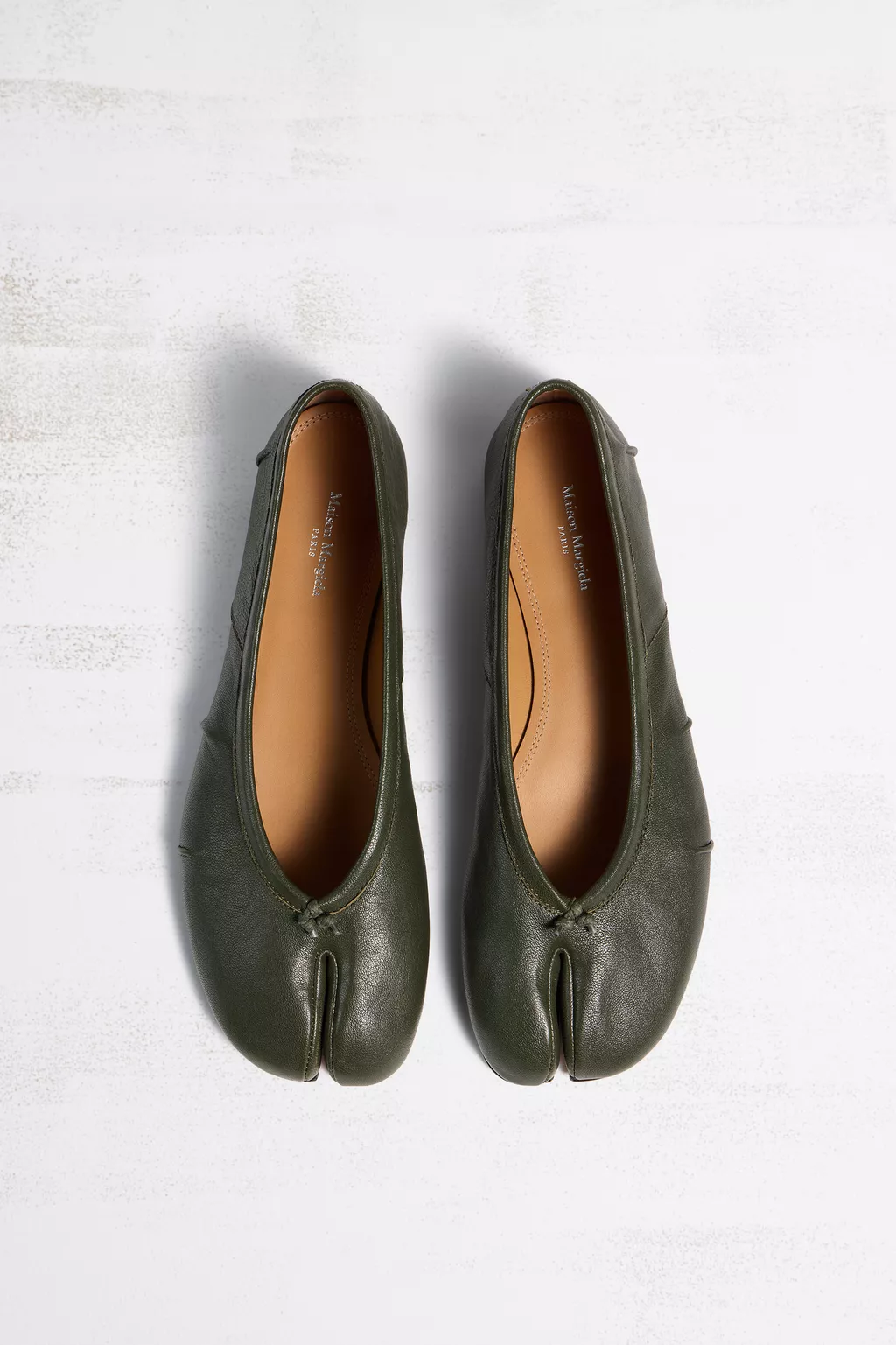
My Maison Margiela Tabis are among my most prized possessions. My lovingly unfashionable friends call them my “hooves.”
So I was delighted when my wealthiest friend finally joined me in hoof ownership. I clocked the unfamiliar color and immediately wanted to know where she’d found them.
“Amazon,” she said, with the nonchalance of someone telling me the weather.
She could afford the real ones. She just couldn’t see what the extra money was buying her.
I couldn’t decide whether to feel self-righteous or stupid.
Circana reports that 58% of shoppers have purchased a dupe in 2026. And this isn’t simply a question of who can afford the original: about half of consumers in households earning more than $100,000 have bought one, a 14% increase from two years ago.
More interesting is why. In 2024, saving money was the main goal for apparel-dupe shoppers. Now, Circana says quality and convenience are top purchase drivers. Morning Consult found another motive: 39% of dupe shoppers wanted to see whether the alternative was as good as the real version.
“Dupe” used to be an accusation. Now it’s a search term. By March 2025, #dupe had amassed more than 6.3 billion views on TikTok, according to Vogue Business. Creators post side-by-side comparisons, wear tests and “dupe or designer” reveals. Resemblance isn’t being hidden. It’s the content.
The shopper knows which one comes with the luxury label and which one comes in an Amazon box. The question is whether that distinction is worth paying for.
Alaïa’s black fishnet ballet flat currently sells for $990. Made in Italy from fishnet textile and calfskin leather with a lamb-leather lining, it is the shoe the mesh-flat trend is copying.
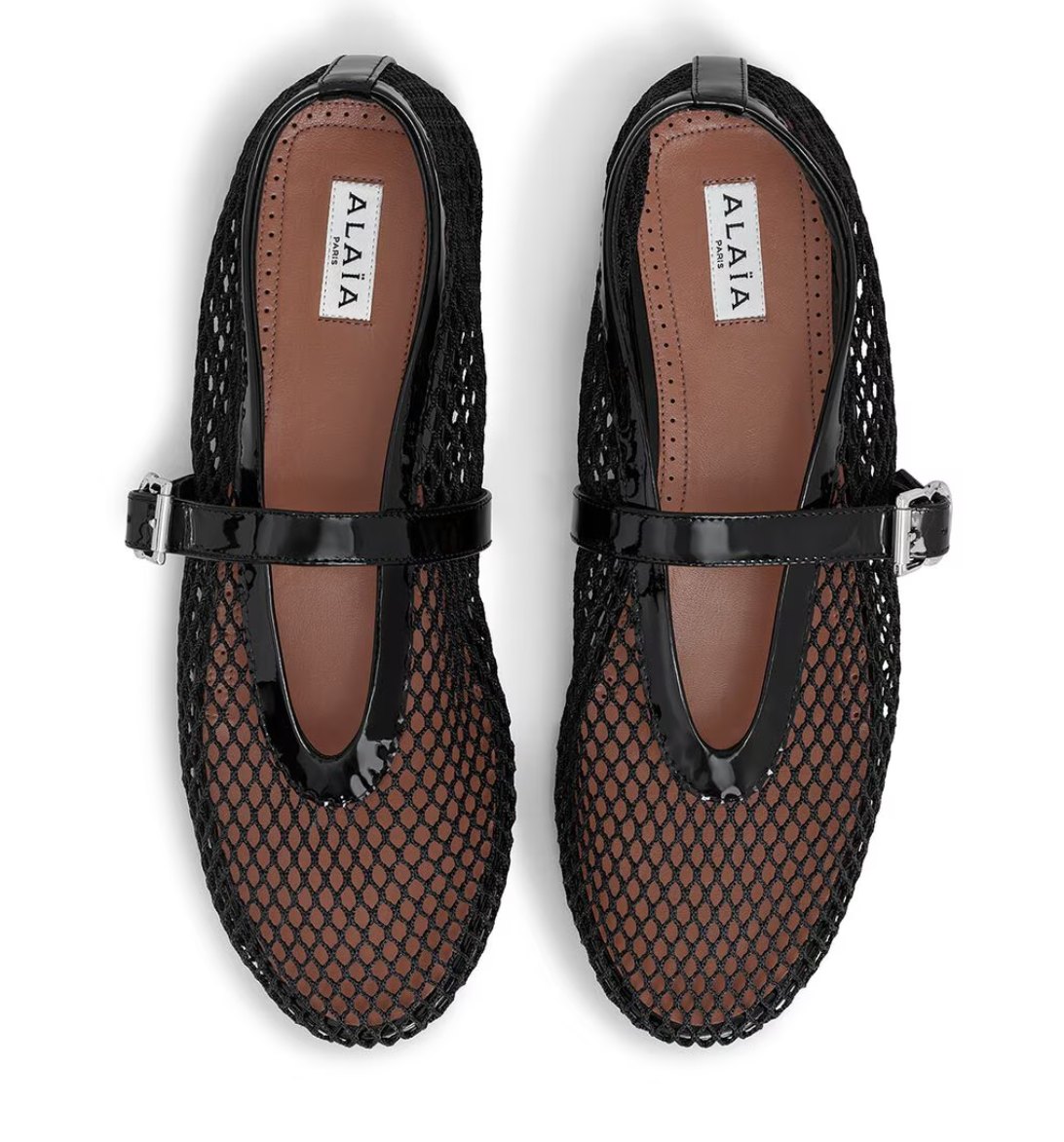
A remarkably similar black mesh Mary Jane from DOEYG sells on Amazon for $49.99 as of September 2026. Business Insider recently spent a week testing the viral alternative and found it surprisingly comfortable and convincing enough to scratch the Alaïa itch.
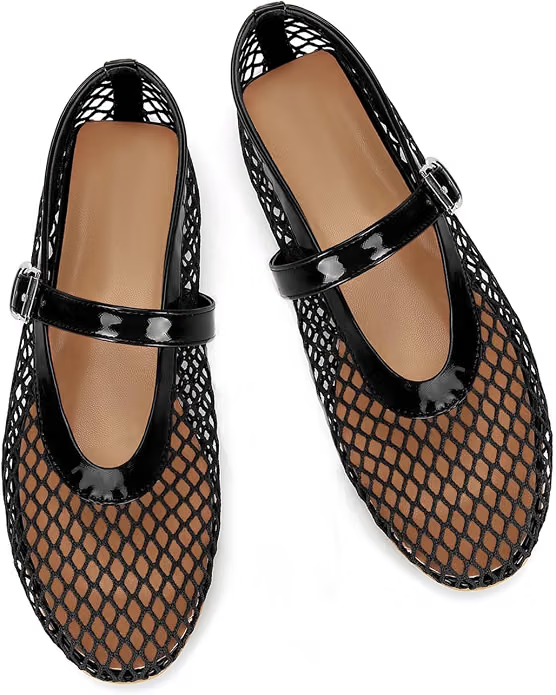
The cheaper shoe doesn’t need to be Alaïa. It just needs to deliver enough of what the shopper wanted from it.
For some, material, construction, authorship and the satisfaction of owning the original still matter.
For others, $940 buys a lot of reasons not to care.
And the choice isn’t luxury or dupe. The same shopper can carry a four-figure handbag, wear a vintage coat and put a $50 Amazon shoe on her feet. She hasn’t stopped spending. She’s become more selective about what deserves the premium.
Beauty makes that selectivity even easier to see. Circana found that about 70% of consumers would intentionally buy a beauty dupe even if they could afford the original. Just 14% believe a higher price consistently signals better quality.
That’s not I wish I could afford it. It’s I can. Convince me I should.
Luxury is growing, too. Circana says prestige and luxury continue to gain ground even as dupe demand rises.
Luxury hasn’t lost the customer. It’s lost the assumption that she’ll always choose the original.
I haven’t bought the Amazon hooves. They’re in my Saved for Later.
For years, the dupe had to answer one question:
Is it good enough?
Now the original has one, too:
Is it better enough?